Exploring Collaborative Art Projects in Communities
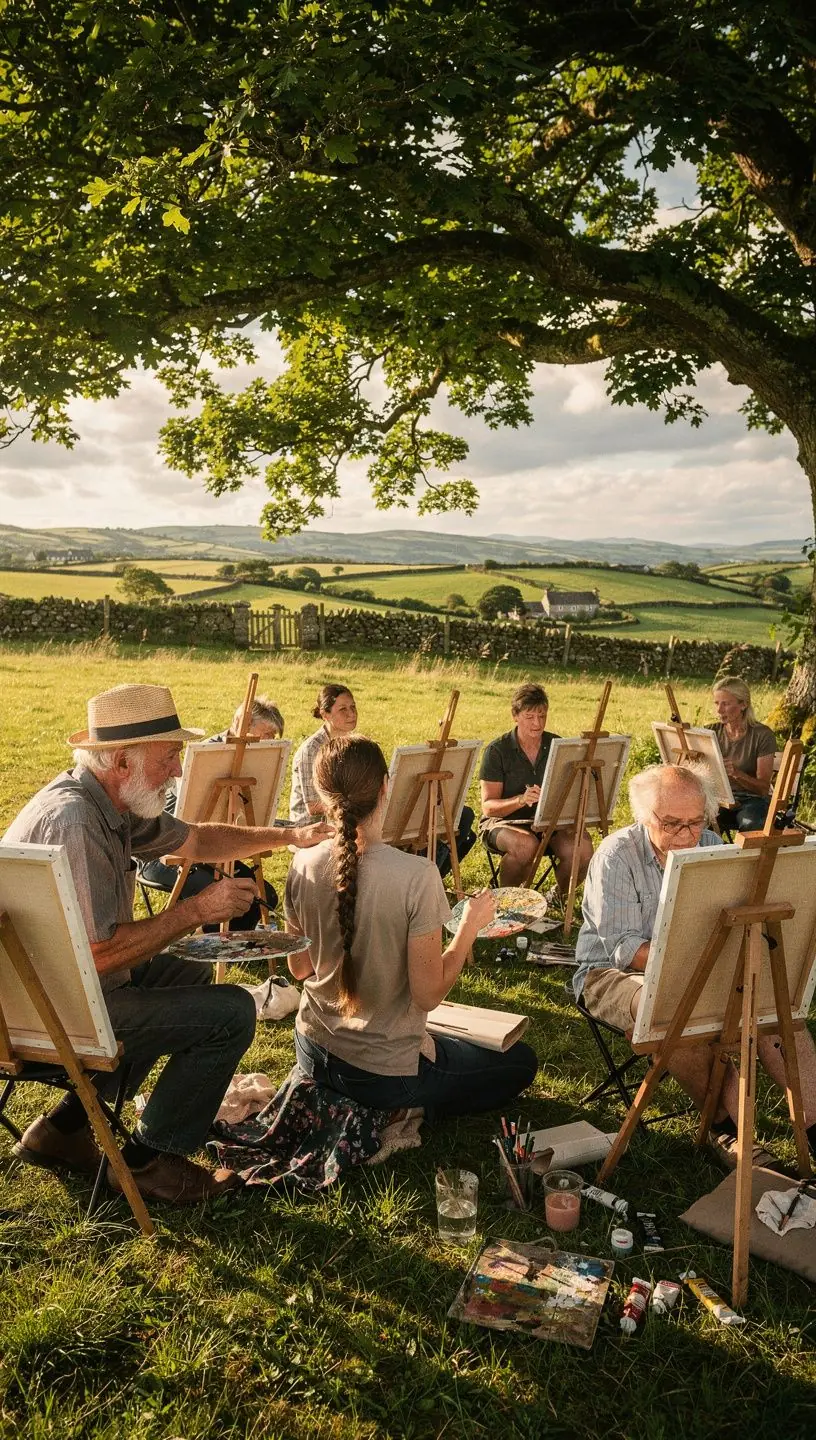
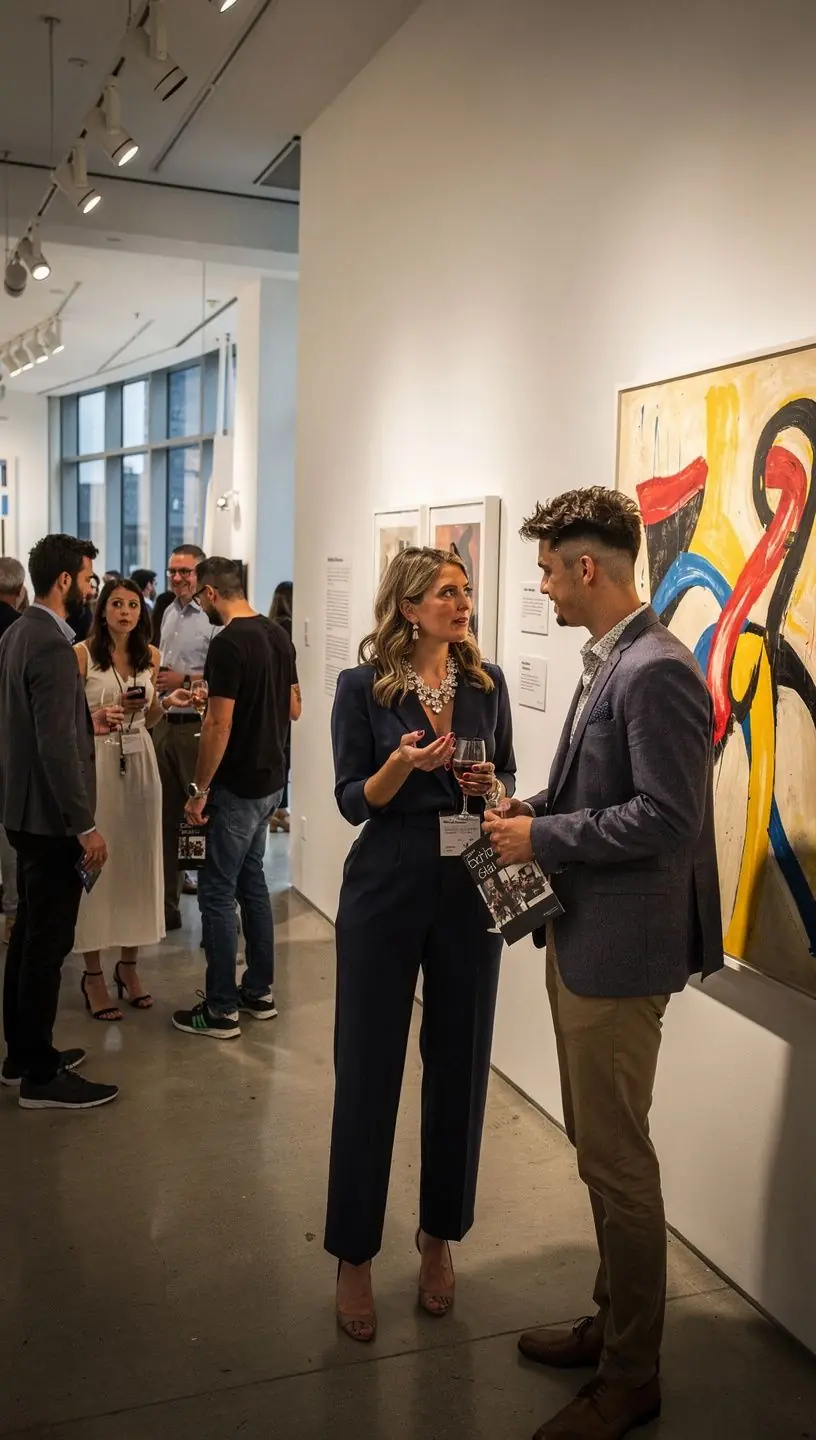
Collaborative art projects have emerged as pivotal elements in creating vibrant artist community hubs in Ireland. By integrating workshops, exhibitions, and networking opportunities, these projects foster creativity and connection among artists and the public.
Understanding the Basics of Collaborative Art
Collaborative art refers to artistic endeavors where multiple individuals contribute to a single work or project. According to research, these projects can enhance community engagement and encourage cultural exchange among diverse groups. Many users report that participating in collaborative art fosters a sense of belonging and enhances their artistic skills.
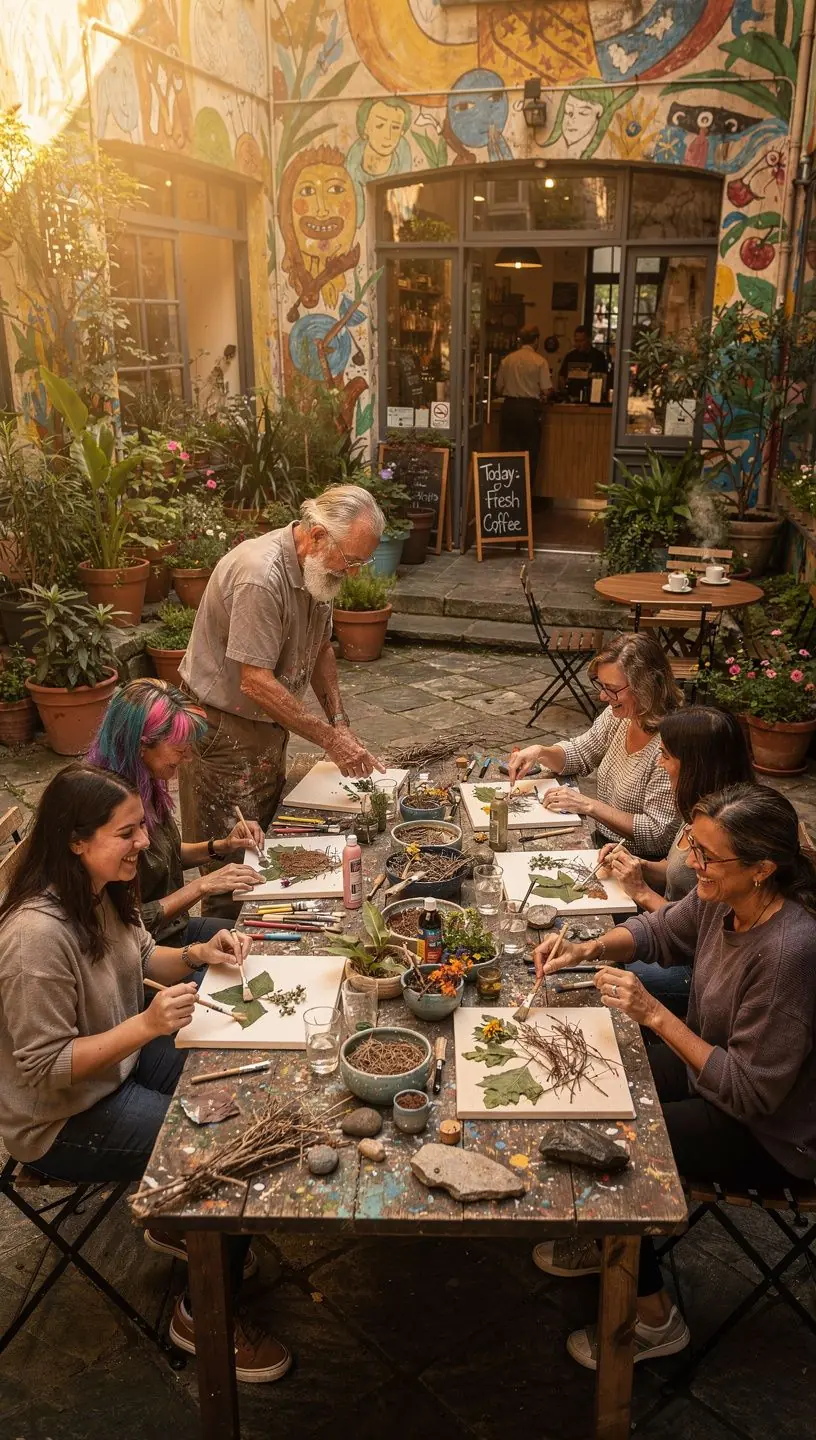
"Collaborative projects can help bridge gaps between different community members and create a platform for dialogue and understanding." - Community Art Expert
The Benefits of Collaborative Art Projects
Implementing collaborative art projects can offer various benefits to communities, including:
- Enhanced Social Bonds: Typically, these projects build stronger relationships among participants, as they often require teamwork and communication.
- Cultural Enrichment: Collaborative art can reflect the cultural diversity of a community, providing opportunities for cultural exchange and learning.
- Skill Development: Participants may learn new techniques and approaches, which can improve their individual artistic abilities and broaden their creative horizons.
How Collaborative Art Projects Work
Collaborative projects generally follow a structured process:
- Planning: This initial phase typically involves gathering interested participants and discussing project themes, goals, and logistics.
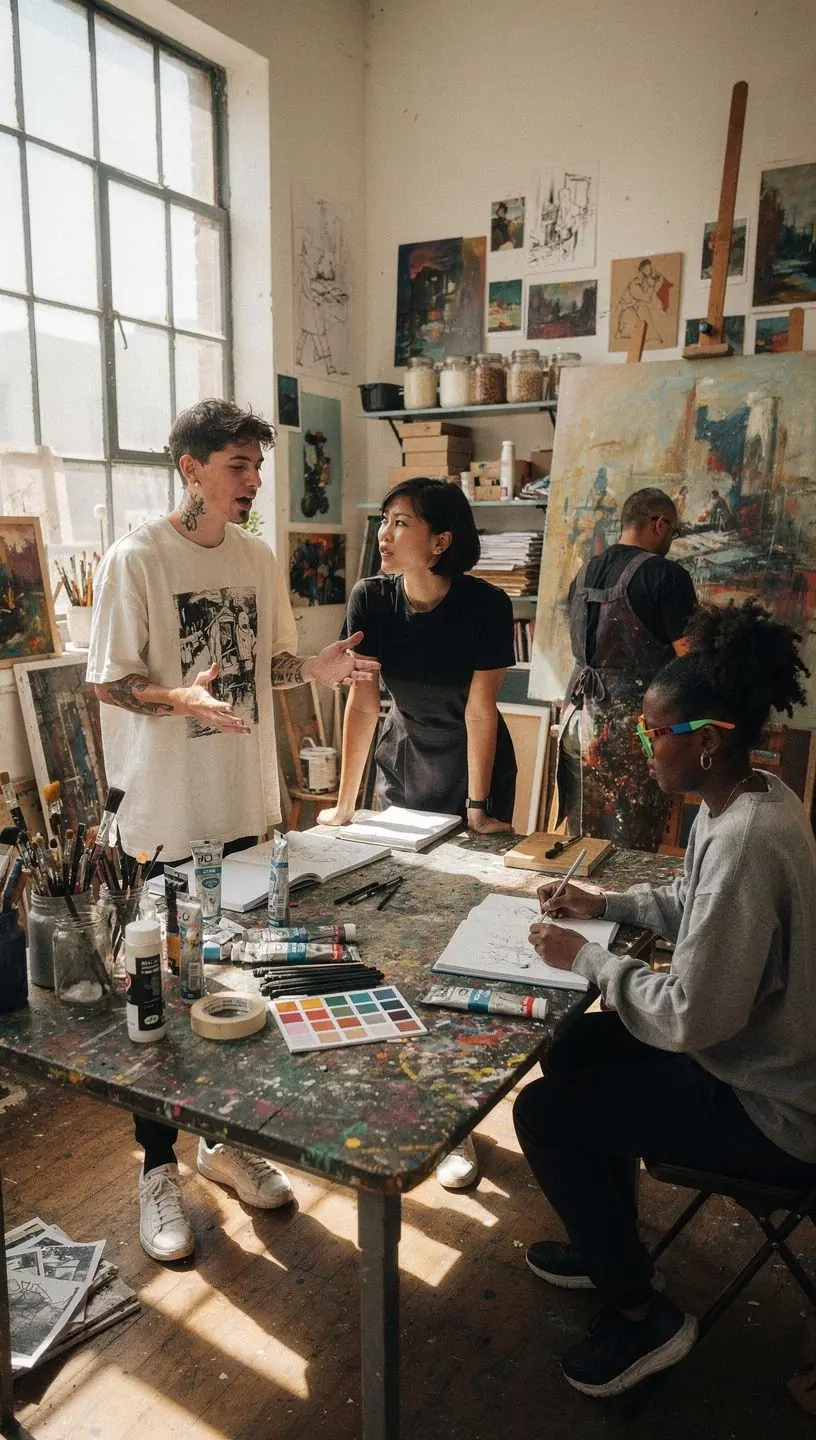
- Creation: During this phase, participants contribute their skills and ideas to create the artwork, often through workshops or guided sessions.
- Exhibition: Finally, showcasing the completed project allows participants to share their work with the community, fostering appreciation and dialogue.
This structured approach works because it ensures that all voices are heard, and everyone has the opportunity to contribute, thus enhancing the overall quality of the artwork produced.
Acknowledging Challenges
While collaborative projects offer numerous benefits, they also come with challenges:
- Time Commitment: Collaborating on art projects often requires a significant investment of time, typically needing several weeks or even months to complete.
- Coordination Efforts: Organizing a diverse group of individuals can be complex, as differences in schedules and creative visions may arise.
- Skill Levels: Not all participants will have the same level of experience, which can lead to disparities in contributions.
Understanding these challenges can help groups prepare better and establish realistic timelines and expectations.
Conclusion
Collaborative art projects represent a powerful means of fostering community engagement and artistic expression in Ireland. By focusing on inclusivity and teamwork, these initiatives can enhance social connections and enrich the local cultural landscape. Aspiring artists and community organizers should consider the potential benefits, along with the necessary commitment, to make the most of these creative opportunities.
Learn More