The Role of Artist Hubs in Local Economies
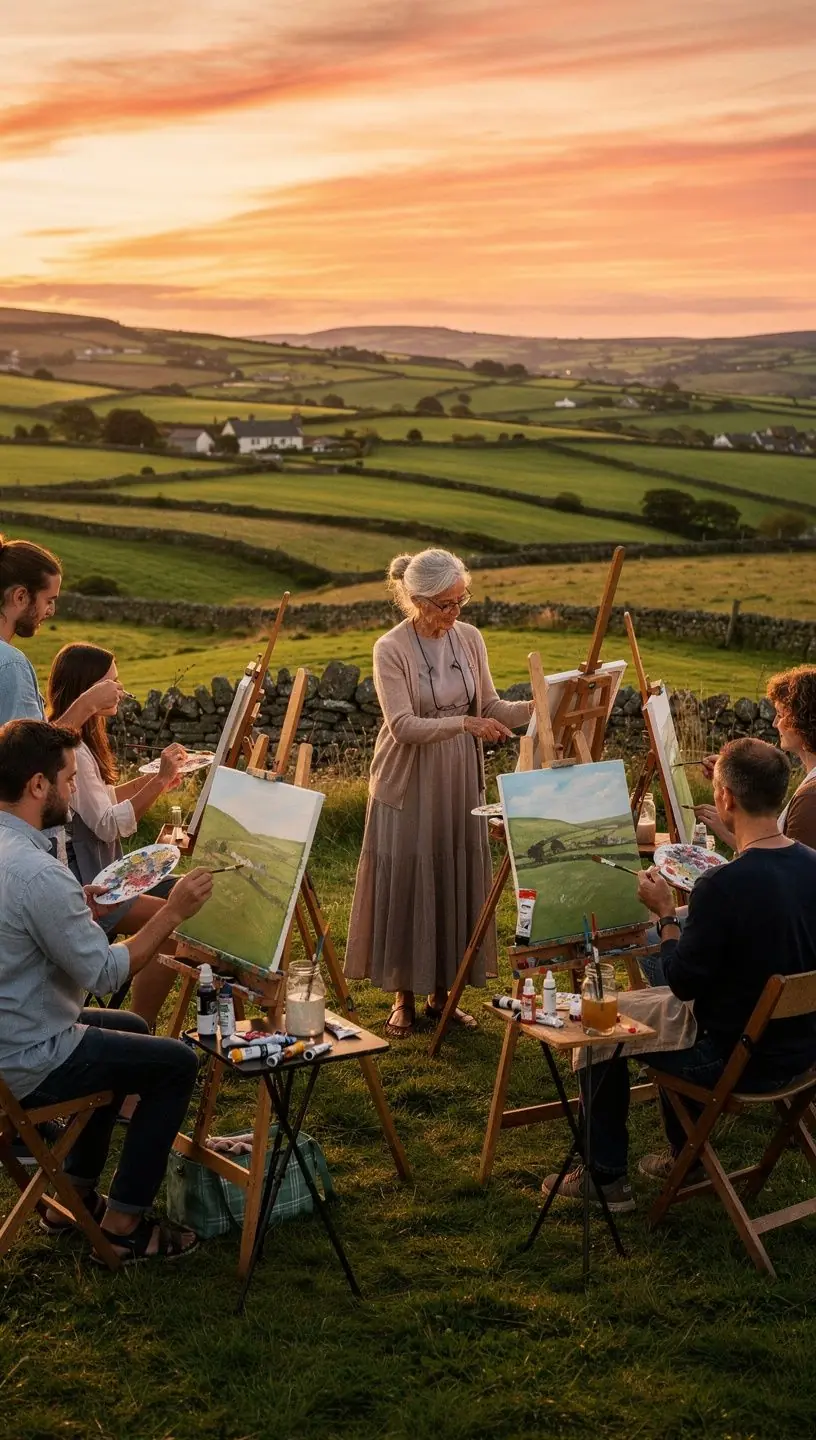
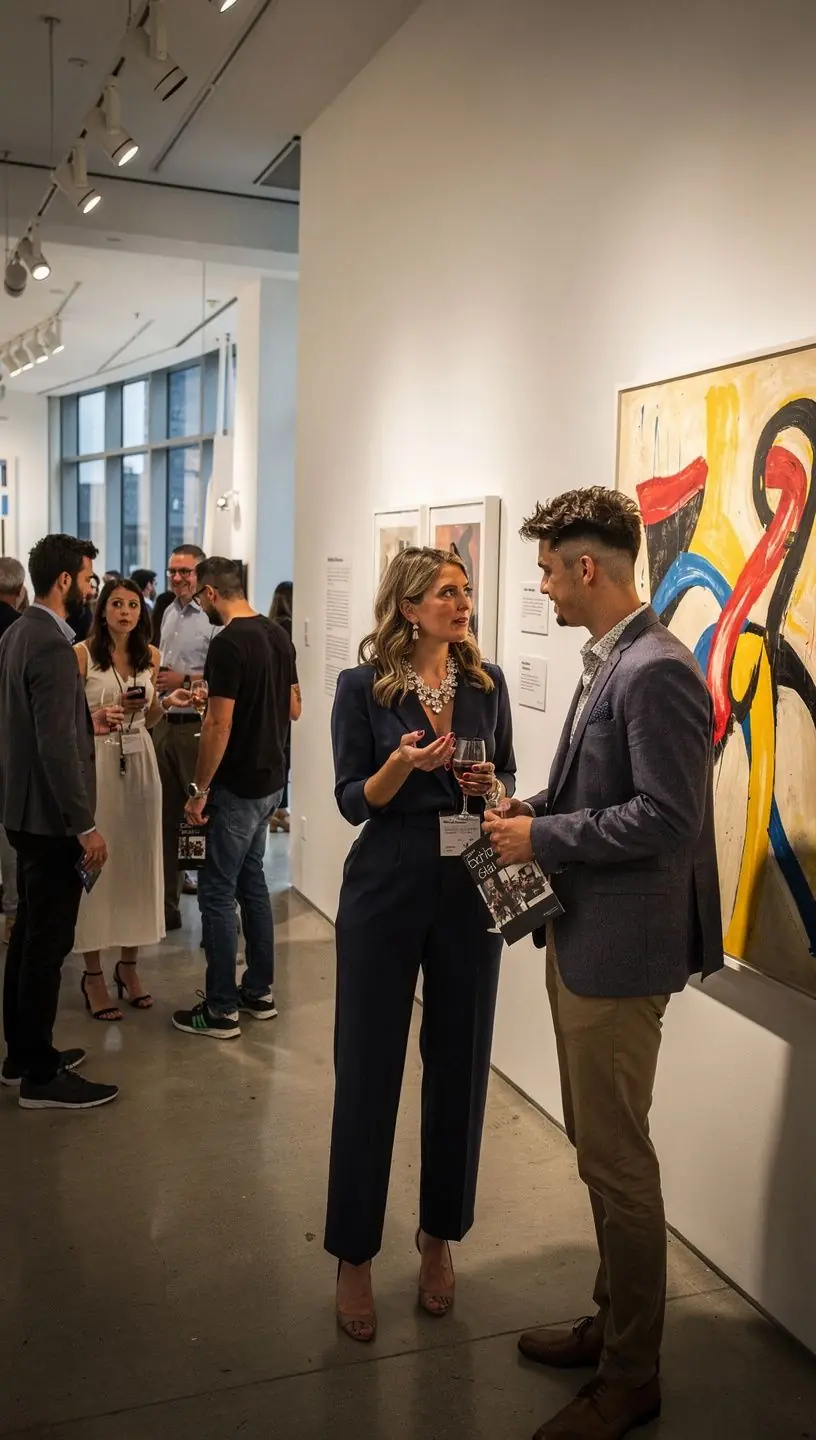
In recent years, artist hubs have emerged as vital components of local economies, fostering creativity, collaboration, and innovation. These spaces not only provide a platform for exhibitions and workshops but also serve as networking venues that can significantly impact the economic landscape of their communities.
Understanding the Basics
Artist hubs, often characterized by their collaborative environments, play a crucial role in promoting local art and culture. They typically feature a mix of studios, galleries, and educational spaces where artists can create, display, and share their work. According to research from the National Endowment for the Arts, creative industries contribute approximately 4.3% to the GDP of countries, indicating a significant economic impact. This model is especially relevant in Ireland, where cultural tourism is a growing sector.
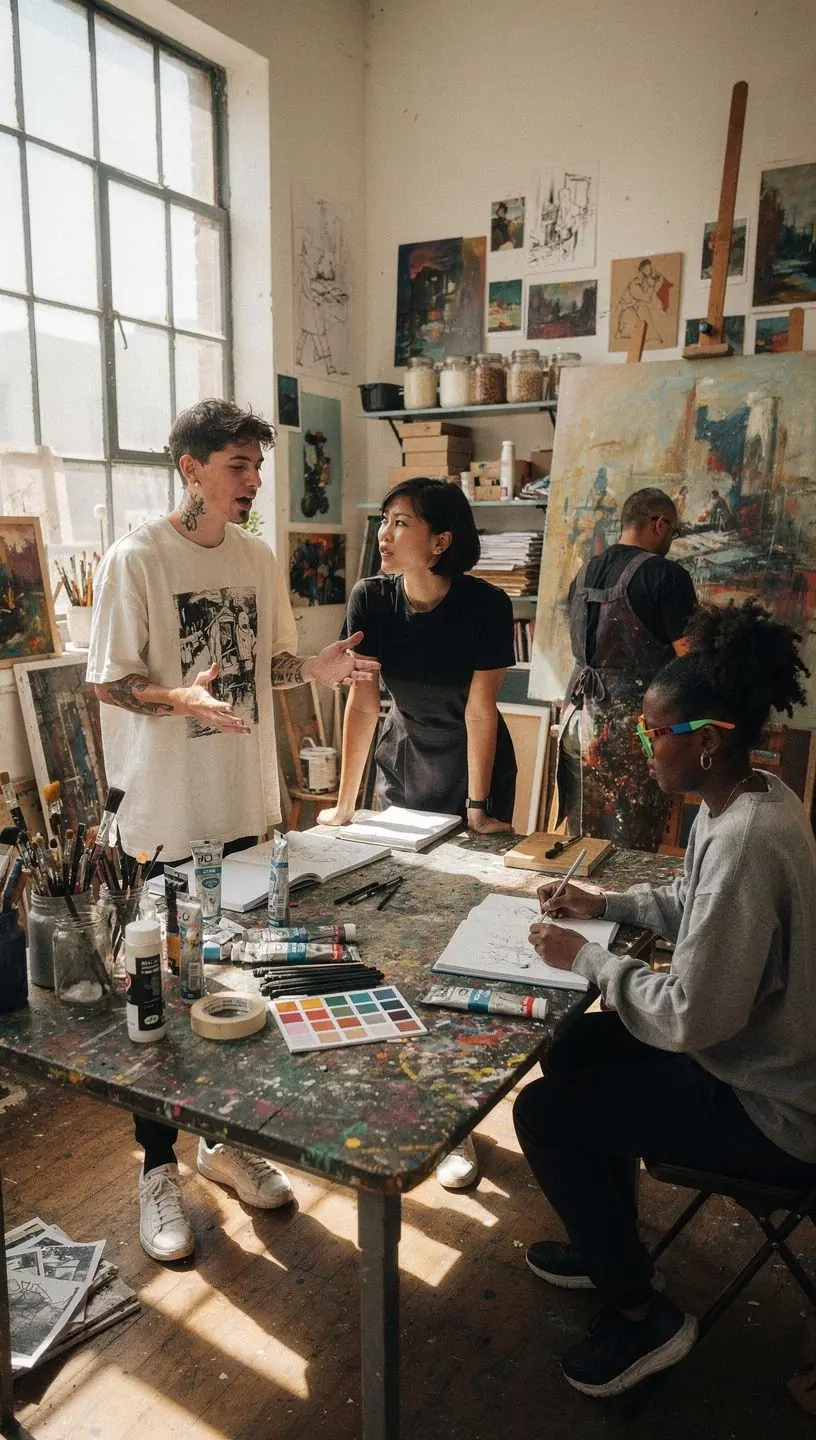
"The presence of artist hubs can revitalize local economies by attracting visitors and fostering community engagement." - Economic Development Experts
How Artist Hubs Contribute to the Local Economy
- Job Creation: Artist hubs often lead to the creation of jobs within the creative sector, including roles in management, curation, and education. Studies suggest that the arts can create 1.7 million jobs annually in the EU alone.
- Community Engagement: These spaces encourage local participation through workshops and events, drawing in a diverse audience. This interaction often leads to increased spending in surrounding businesses, contributing to the local economy.
- Innovation and Entrepreneurship: Artist hubs can serve as incubators for new ideas, with many artists developing innovative products and services. This entrepreneurial spirit is crucial for economic diversification and sustainability.
The Challenges and Limitations
While artist hubs offer many benefits, they also face challenges that need to be acknowledged. Establishing and maintaining these spaces often requires substantial investment in terms of finances and time. Many hubs typically take 1-2 years to become fully operational, and their success can depend on community support and participation.
Furthermore, artist hubs may not be suitable for all types of artists or artworks, as they often cater to specific audiences and styles. This means that while they can foster collaboration and networking, they might not encompass the entire spectrum of the local art scene.
Conclusion
In conclusion, artist hubs hold substantial potential to enhance local economies by fostering creativity, creating jobs, and encouraging community engagement. While they come with their own set of challenges and limitations, their role in promoting the arts and culture cannot be underestimated. By supporting these creative spaces, communities can cultivate a vibrant atmosphere that benefits both artists and local businesses alike.
Learn More