How to Foster Inclusivity in Art Spaces
Creating an inclusive environment in art spaces is essential for fostering creativity and collaboration. This article explores practical strategies that can help art communities promote inclusivity through exhibitions, workshops, and networking events.
Understanding the Importance of Inclusivity
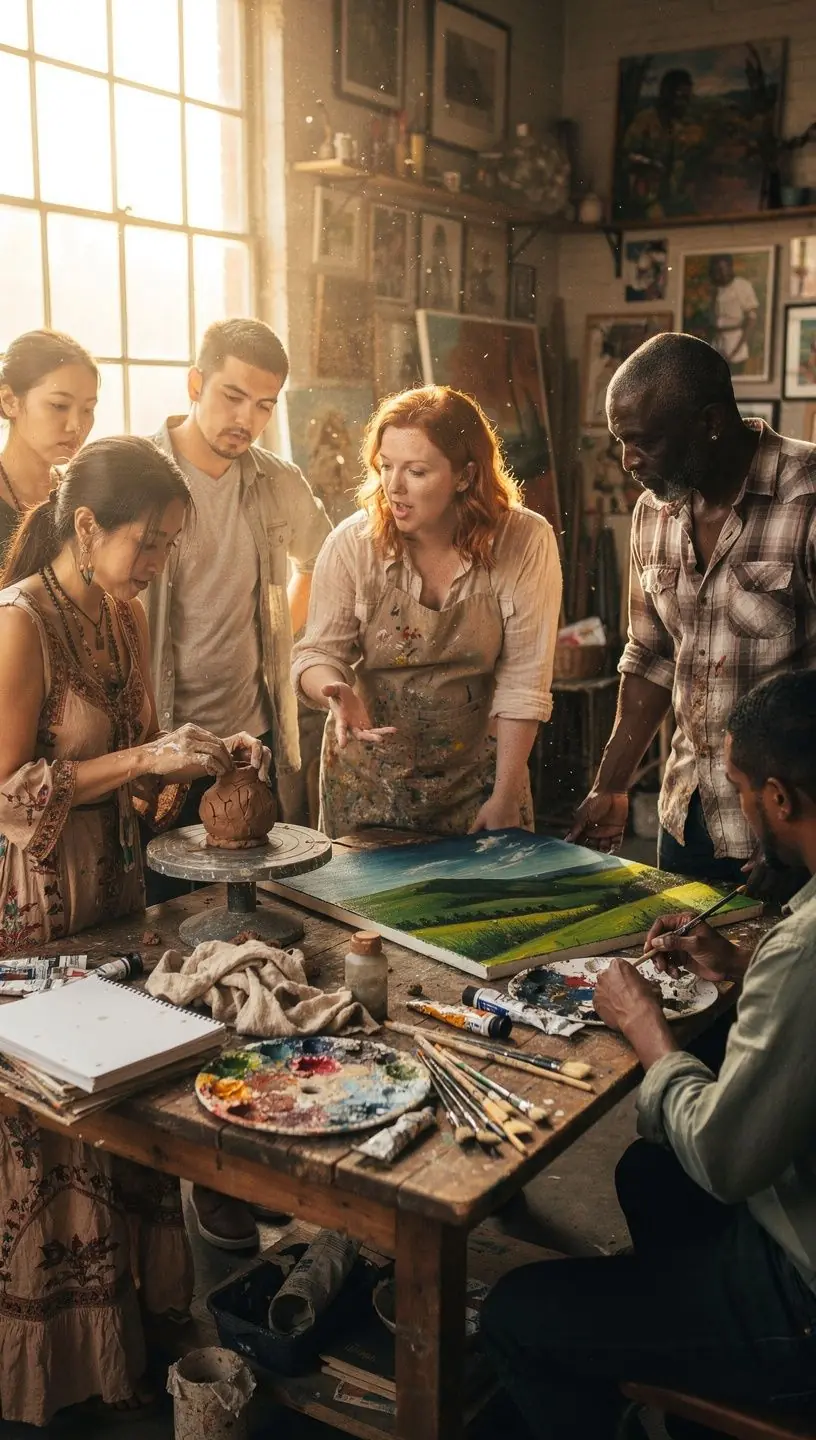
Inclusivity in art spaces is not just a trend; it is a vital component of community building. According to studies by the National Endowment for the Arts, diverse representation in art can enhance audience engagement and creativity. When individuals from varied backgrounds come together, they bring unique perspectives that can lead to innovative ideas and artistic expressions.
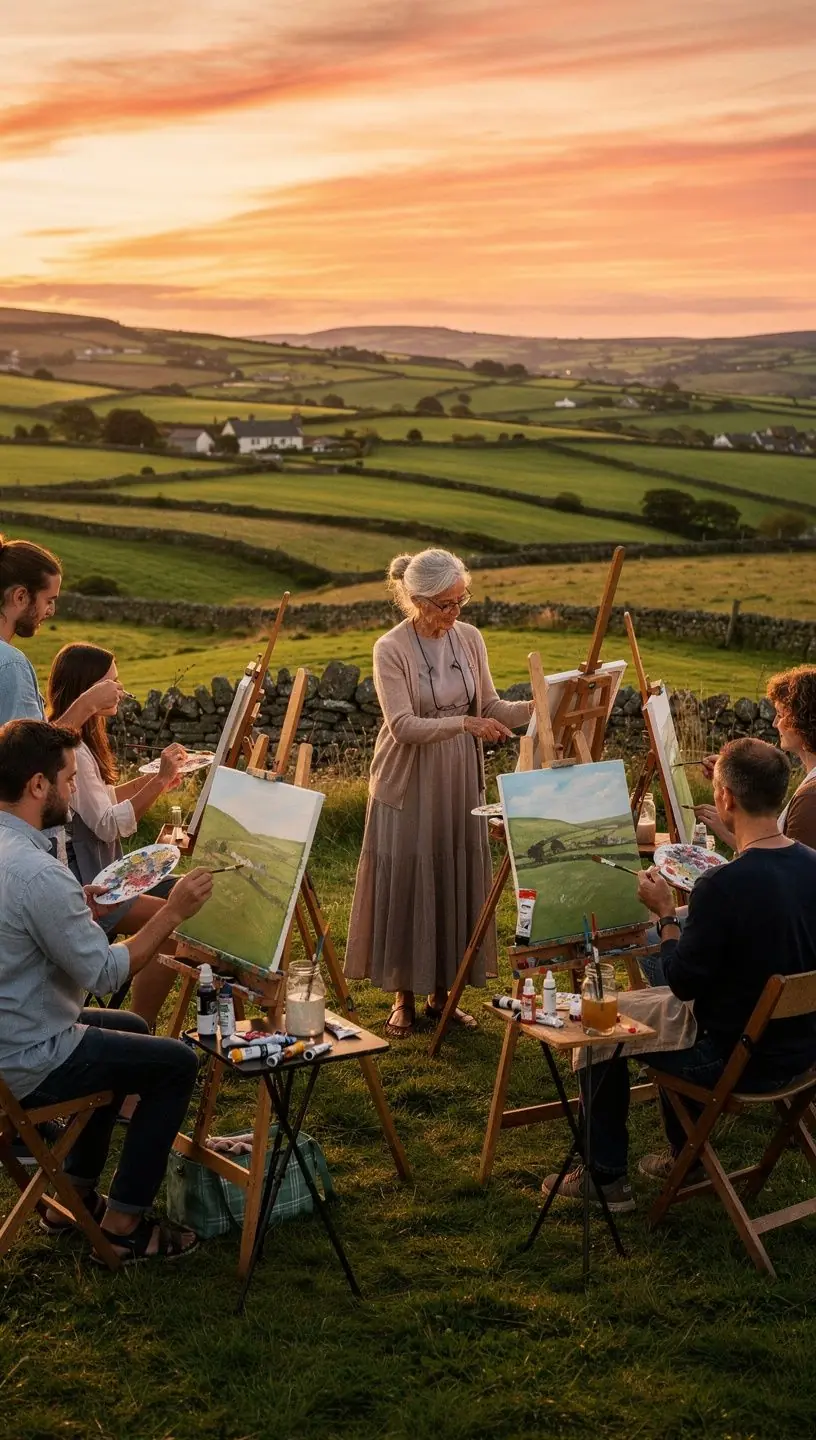
"Diversity in art spaces leads to a richer exchange of ideas, which is crucial for artistic growth."
Strategies for Creating Inclusive Art Spaces
Implementing inclusive practices in art spaces typically involves a combination of outreach, accessibility, and community engagement. Here are some strategies to consider:
- Outreach to Underrepresented Communities: Actively seek to involve artists and audiences from underrepresented groups. Research indicates that targeted outreach can significantly increase participation. Consider collaborating with local organizations that serve diverse populations.
- Ensure Accessibility: Make your art space accessible to everyone. This includes physical accessibility for individuals with disabilities and offering programs in multiple languages. Experts recommend that accessibility audits be conducted to identify areas for improvement.
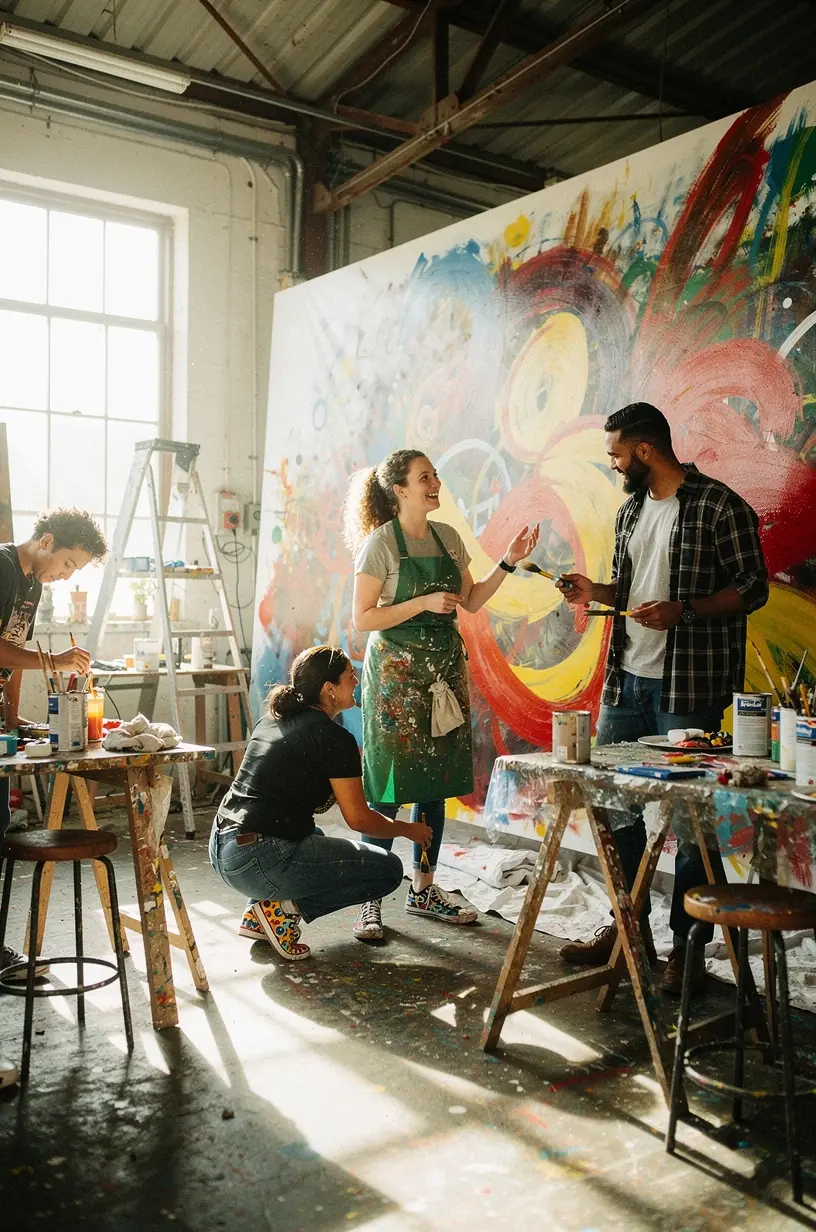
- Create Safe Spaces for Dialogue: Host workshops or discussions where participants can share their experiences and perspectives. Many users report that these safe spaces encourage openness and understanding, fostering a sense of belonging.
Engaging the Community
Fostering inclusivity goes beyond the physical space; it involves creating an atmosphere where everyone feels valued. Here are some considerations:
- Feedback Mechanisms: Establish channels for participants to provide feedback about their experiences. This can help identify barriers and areas needing improvement.
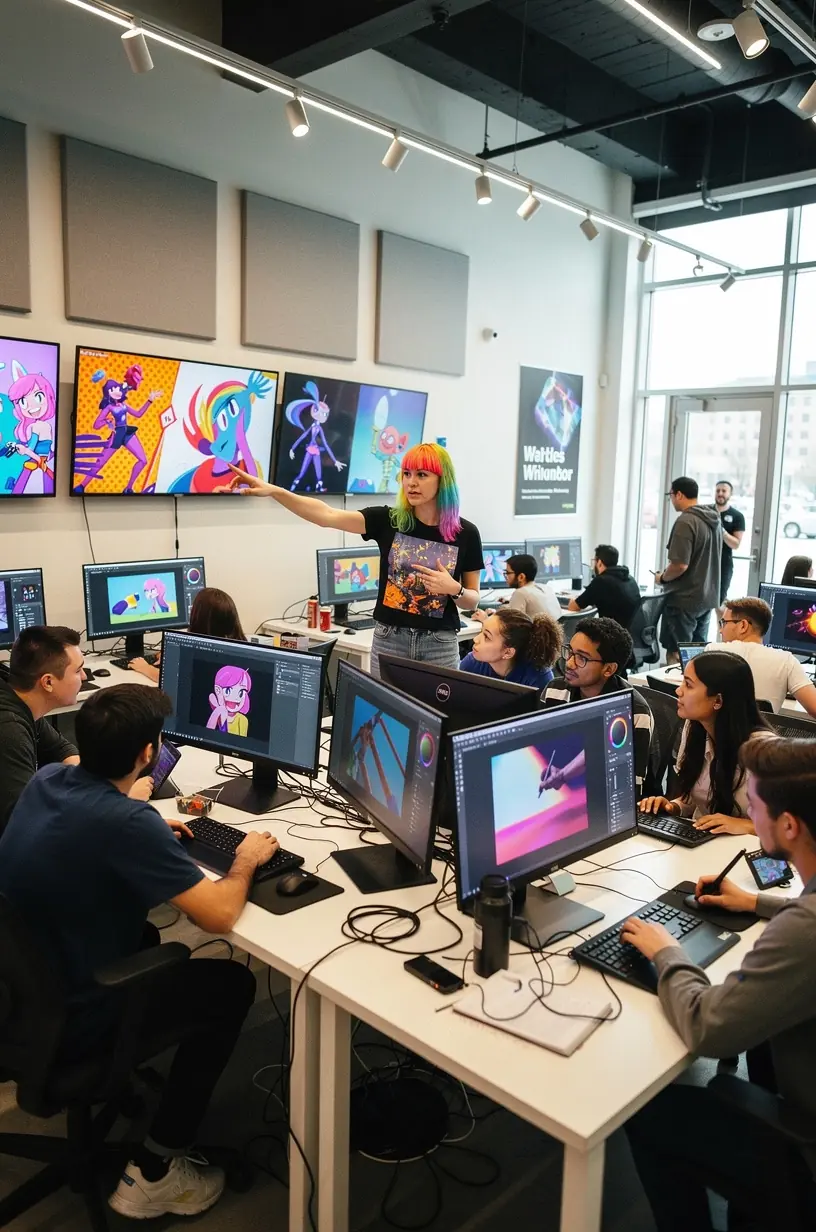
- Inclusive Programming: Design workshops and exhibitions that celebrate diverse art forms and cultural expressions. According to industry standards, inclusivity in programming can enhance audience engagement and satisfaction.
- Regular Training for Staff: Invest in training for staff and volunteers to ensure they understand the principles of inclusivity and can apply them effectively. This typically requires ongoing commitment and may involve workshops or seminars led by experts in the field.
Conclusion
Fostering inclusivity in art spaces is a continuous journey that requires dedication and adaptability. By implementing the strategies outlined above, art communities can create welcoming environments that encourage participation from individuals of all backgrounds. Remember, the goal is not only to enhance artistic expression but also to build a thriving community that values each voice. While results may not be immediate, consistent efforts can lead to significant improvements in inclusivity within your art space.
Learn More