How to Promote Sustainable Art Practices in Workshops
As art communities increasingly focus on sustainability, artists can play a pivotal role in integrating eco-friendly practices into their workshops. This article offers practical insights on how to promote sustainable art practices effectively, ensuring that both artists and participants contribute to environmental preservation while enhancing their creative processes.
Understanding Sustainable Art Practices
Sustainable art practices typically involve utilizing eco-friendly materials and methods that reduce waste and minimize environmental impact. According to research, the art industry significantly contributes to pollution through the use of toxic materials and excessive waste generation. By prioritizing sustainability, artists can foster a culture of environmental responsibility while enhancing the quality of their work.
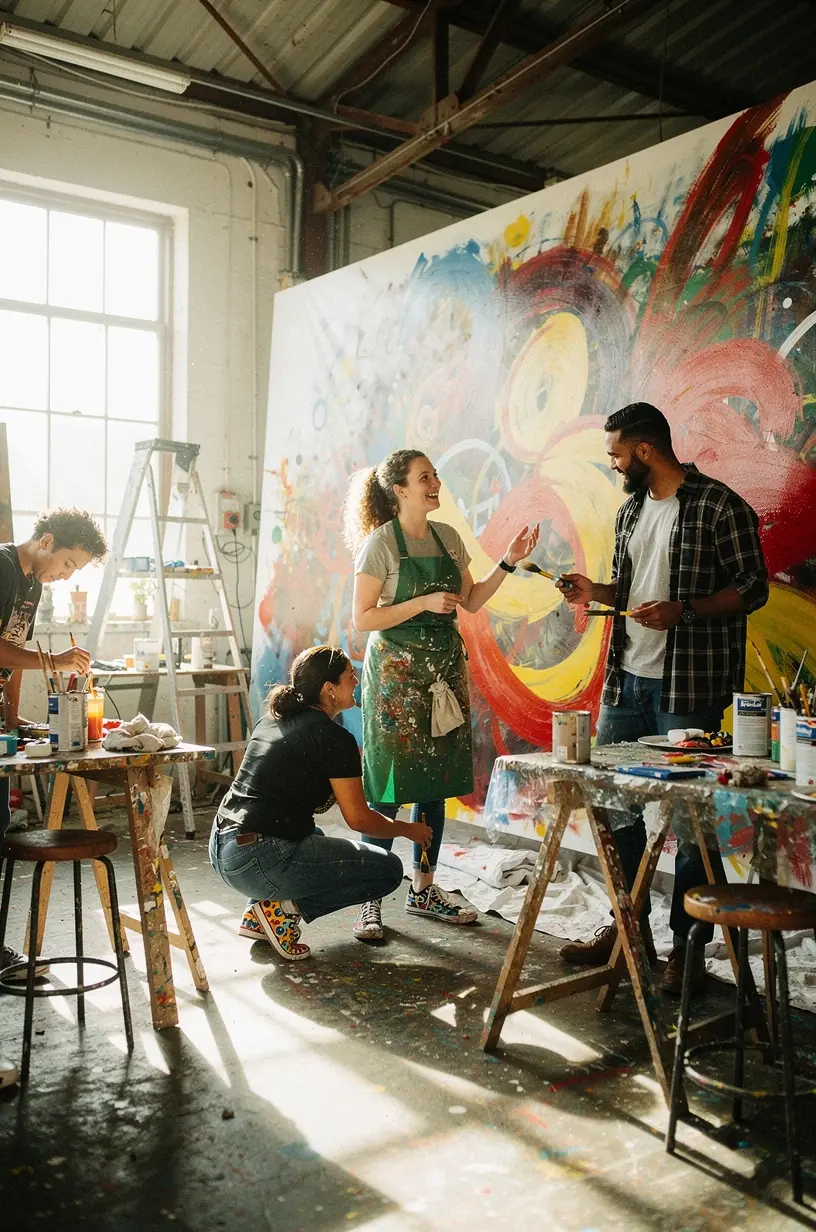
"Incorporating sustainable practices into art workshops not only educates participants but also cultivates a sense of stewardship for the environment." - Industry Expert
Steps to Integrate Sustainability in Workshops
To effectively promote sustainable art practices during workshops, consider the following strategies:
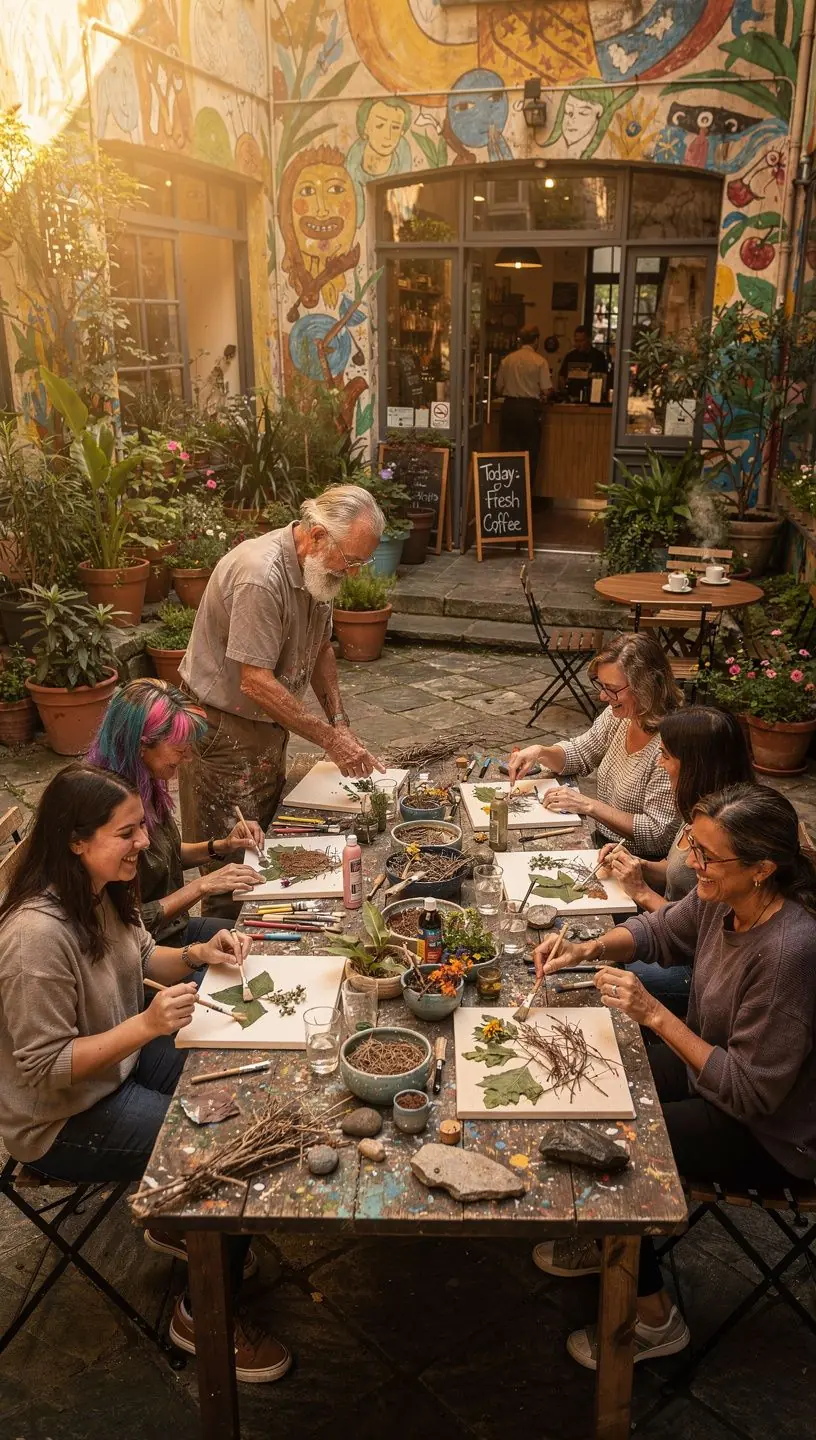
- Use Eco-Friendly Materials: Encourage participants to use sustainable materials such as recycled papers, organic paints, and biodegradable tools. Studies indicate that artists using eco-friendly materials often find their work to be more fulfilling and aligned with their values.
- Implement Waste Reduction Techniques: Teach waste reduction methods, such as upcycling materials from previous projects. Many users report that they enjoy the challenge of creating art from perceived 'waste', leading to innovative outcomes.
- Foster Discussion: Create a platform for dialogue about sustainability in art. Inviting guest speakers or facilitating group discussions can help participants understand the broader implications of their choices, as suggested by industry standards in art education.
Challenges and Considerations
While promoting sustainable practices can be rewarding, it also comes with challenges:
- Many workshops require additional preparation time to source eco-friendly materials, which can extend planning phases. Typically, workshops that integrate these practices may need an extra 2-4 weeks of planning.
- There may be a learning curve for participants unfamiliar with sustainable techniques. Workshops should provide clear guidelines and examples to help participants transition smoothly.
- Not all eco-friendly materials are widely available, which can limit the options for some workshops. It’s essential to research local suppliers and resources to ensure accessibility.
Conclusion
Promoting sustainable art practices in workshops is an effective way to encourage environmental consciousness among artists and participants alike. By implementing eco-friendly materials, reducing waste, and fostering discussions, artists can create a meaningful impact within their communities. While challenges exist, the effort required to integrate sustainability is often met with enthusiasm and innovation, enriching the artistic experience for all involved.
Learn More