How to Organize Engaging Art Workshops
Art workshops serve as a powerful medium for creativity, interaction, and community building. Properly organized, these workshops can inspire participants and offer valuable learning experiences. This article explores effective strategies for organizing engaging art workshops.
Understanding the Basics of Workshop Organization
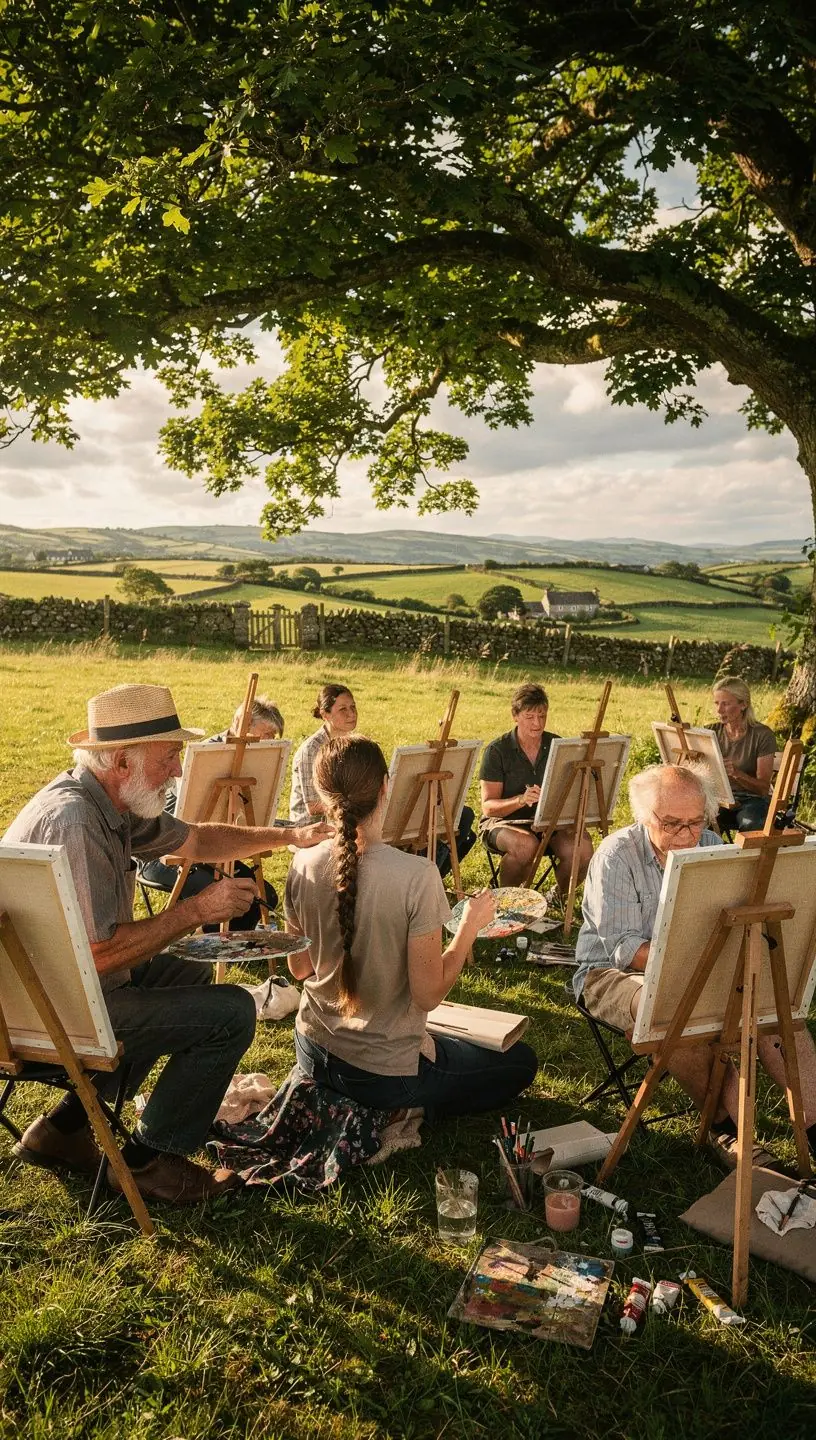
To effectively organize an art workshop, it is essential to understand the needs of your target audience. Research indicates that participants typically seek a balance between instruction and creative freedom. According to studies in community arts, workshops that incorporate interactive elements foster deeper engagement and satisfaction among attendees.
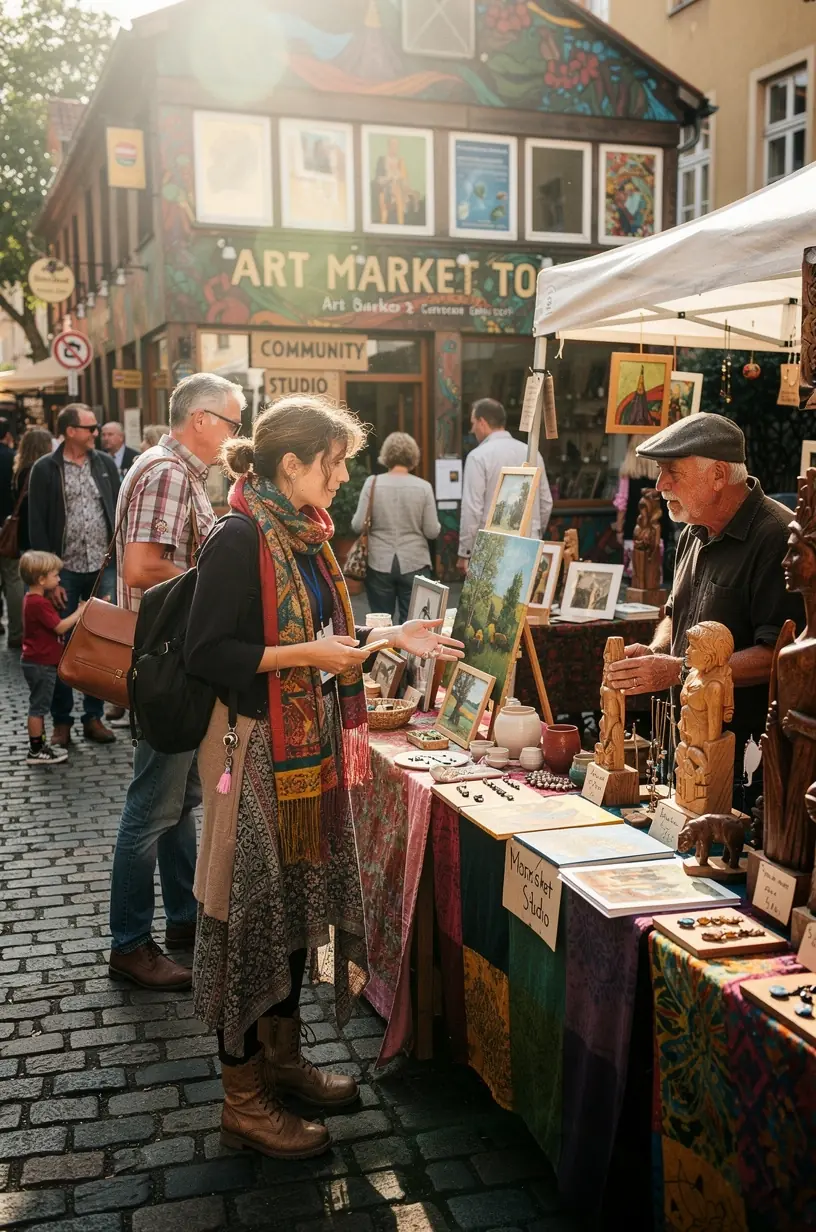
"Participants often report a greater sense of community and creative expression when workshops are designed to encourage collaboration." - Arts Engagement Study
Selecting the Right Theme and Format
The theme of your workshop should resonate with your audience's interests. Experts recommend choosing a relevant topic that aligns with current trends or local cultural narratives. Here are some considerations for selecting a theme:
- Assess local interests: Engage with the community to identify popular artistic styles or techniques.
- Consider seasonal themes: Align workshops with seasonal events or holidays for heightened relevance.
- Utilize feedback: Implement suggestions from previous workshops to improve future offerings.
Creating an Engaging Workshop Experience
Once you have a theme, the next step is to design the workshop experience. This involves several key components:
- Set Clear Objectives: Define what participants should take away from the workshop. Research suggests that clear objectives enhance participant satisfaction significantly.
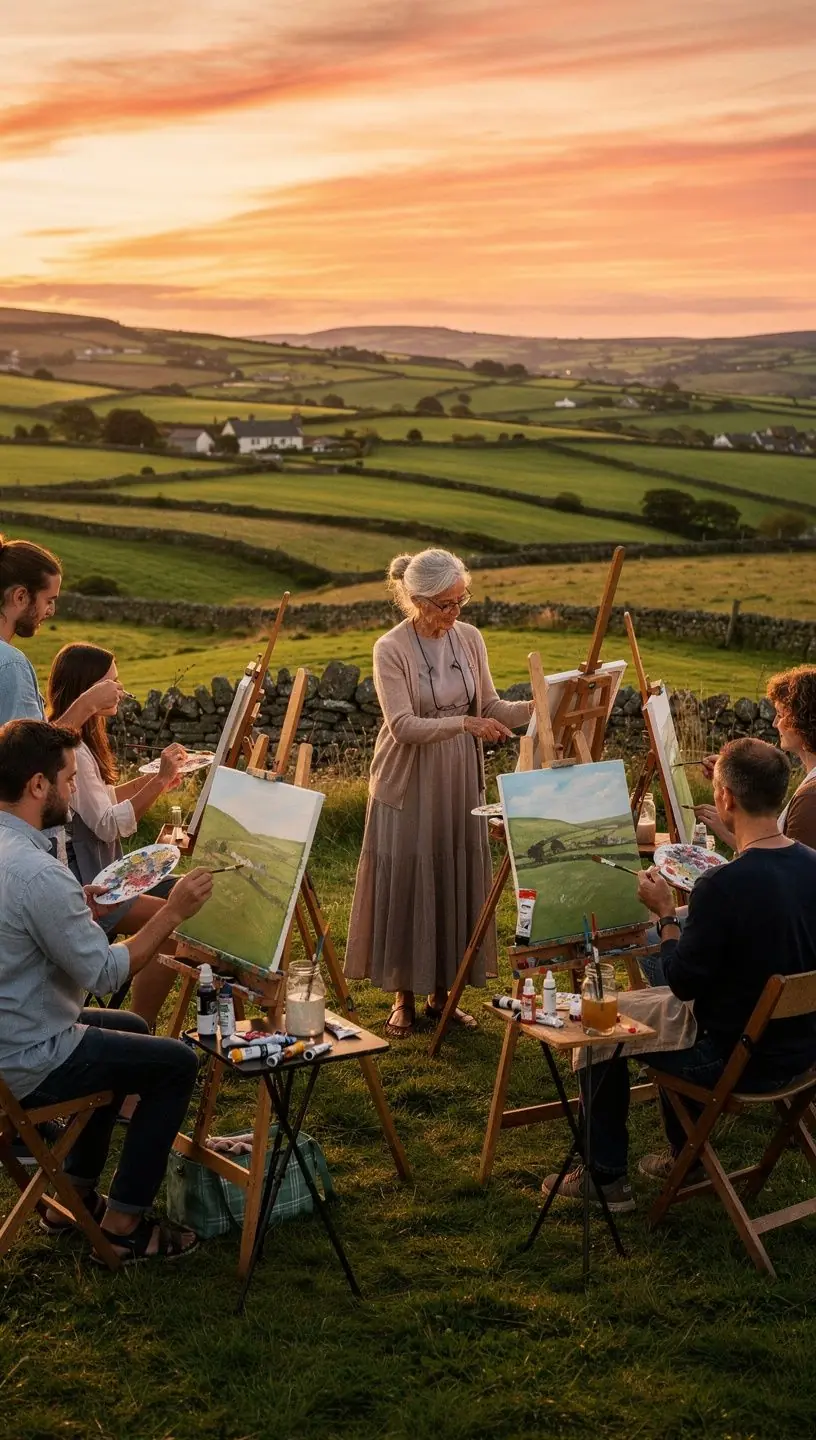
- Encourage Interaction: Incorporate group activities or discussions to foster collaboration. According to industry best practices, workshops that facilitate peer-to-peer interaction typically yield more impactful outcomes.
- Provide Resources: Offer materials and tools that support the workshop's objectives. Ensure that all participants have access to the necessary supplies, as this can greatly influence their ability to engage creatively.
Logistics and Promotion
Logistical planning is crucial for a successful workshop. This includes selecting a suitable venue, scheduling the workshop at a convenient time, and promoting the event effectively. Consider the following:
- Venue Selection: Choose a location that is easily accessible and has enough space for participants to work comfortably.
- Marketing Strategies: Utilize social media, community boards, and local art organizations to promote your workshop. Research indicates that targeted marketing can significantly increase attendance.
- Set Realistic Expectations: Clearly communicate what participants can expect regarding time commitment and outcomes. Many users report feeling more satisfied when they know what to anticipate.
Conclusion
Organizing engaging art workshops requires careful planning and consideration of participant needs. By focusing on relevant themes, creating interactive experiences, and managing logistics effectively, you can foster a community spirit that encourages creativity. Remember, the goal is to create an inviting environment where individuals feel empowered to express themselves artistically. Through thoughtful organization, you can help cultivate a thriving artist community.