Best Practices for Curating Community Exhibitions
Curating community exhibitions can be a rewarding yet challenging endeavor. It requires not only artistic vision but also an understanding of the collective interests and talents of the artists and community members involved. In this article, we will explore best practices that can help create meaningful exhibitions that foster engagement and collaboration.
Understanding the Community and Its Needs
Before embarking on the curation process, it's crucial to understand the community you are serving. Many experts recommend conducting surveys or informal interviews with community members to gauge their interests and expectations. This approach helps in identifying themes that resonate with the audience, ensuring that the exhibition is not only visually appealing but also relevant.
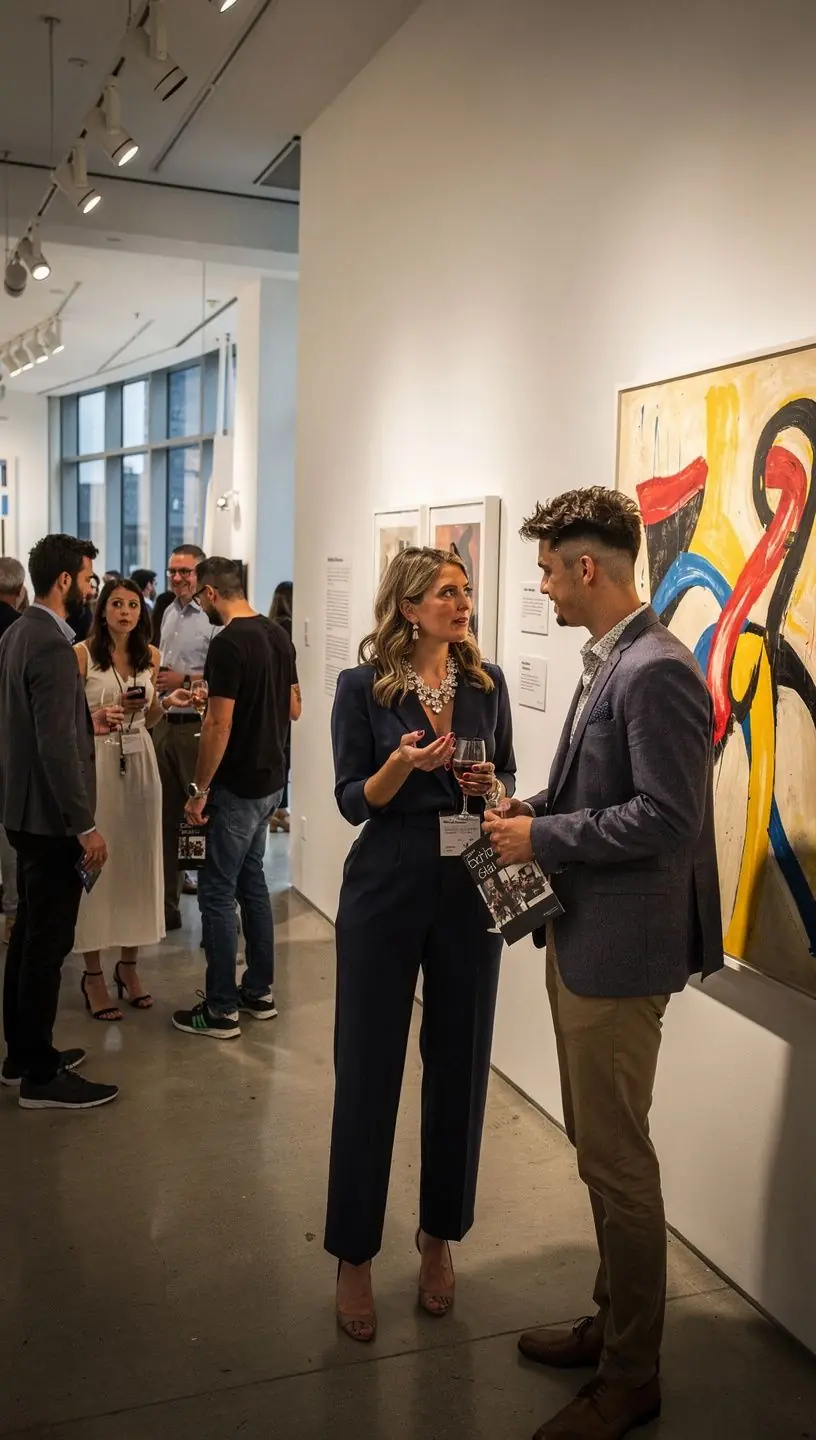
"Understanding the audience is the first step in creating an exhibition that truly connects." - Community Art Expert
Inclusivity in Artist Selection
Research shows that inclusive practices in artist selection can lead to more vibrant and diverse exhibitions. When curating, consider artists from various backgrounds, styles, and mediums. This not only enriches the exhibition but also encourages participation from diverse segments of the community. Typically, involving local artists can create a sense of ownership and pride, enhancing community engagement.
Creating a Collaborative Environment
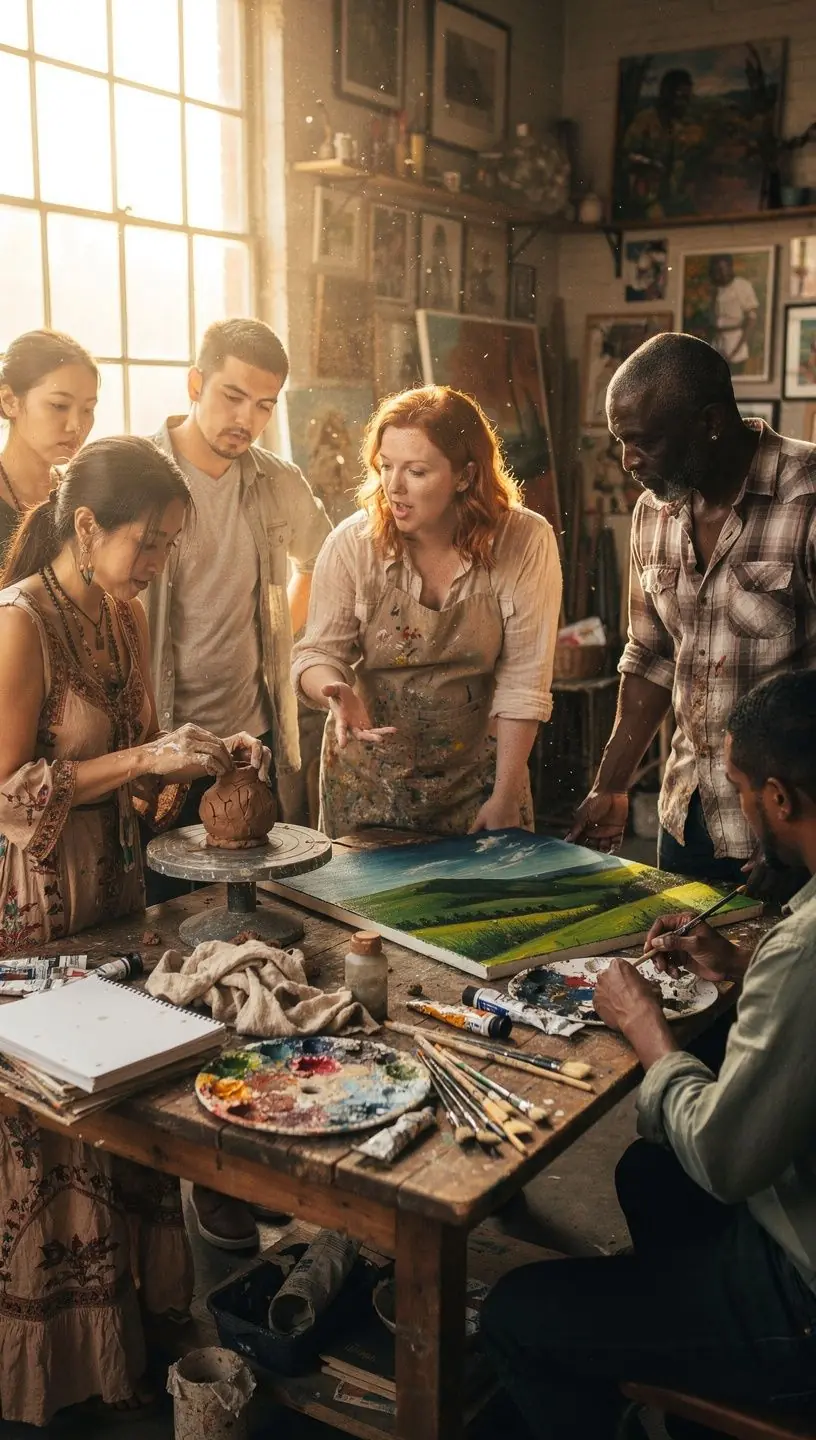
Effective curation often involves collaboration. Bringing together artists for workshops can foster creativity and allow community members to engage directly with the art. Workshops can be structured to teach skills or facilitate discussions about the exhibition's theme. According to industry standards, workshops that allow for hands-on experience often lead to deeper connections between artists and the audience. Here's how you can initiate this:
- Host Regular Meetings: Organizing regular gatherings for planning and brainstorming can stimulate creative ideas and build team spirit.
- Encourage Feedback: A feedback loop between artists and curators can refine the exhibition’s focus and ensure it meets community expectations.
- Plan Interactive Events: Consider integrating interactive sessions during the exhibition, such as Q&A panels or live art demonstrations, which can draw in more visitors.
Strategic Exhibition Design
The layout of your exhibition plays a significant role in visitor experience. Research indicates that thoughtful design can enhance engagement. Here are some design considerations:
- Flow and Accessibility: Ensure that the exhibition space is easy to navigate. Consider the physical layout and accessibility for all visitors.
- Lighting and Ambiance: Proper lighting can significantly affect how artworks are perceived. Aim to create an ambiance that complements the featured works.
- Signage and Information: Clear signage and informative materials can guide visitors and provide context, enhancing their experience.
Acknowledging Limitations
While these practices can enhance the effectiveness of community exhibitions, it’s important to acknowledge some limitations. Curating an exhibition typically requires a time commitment of several weeks to months, depending on the scope. Additionally, effective collaboration often involves ongoing communication and effort, which may require prior knowledge of the art community or curation processes.
Conclusion
Curating community exhibitions is a multifaceted process that combines artistic vision with community engagement. By understanding the community's needs, fostering inclusivity among artists, promoting collaboration, and designing a thoughtful exhibition space, you can create an environment that not only showcases art but also strengthens community bonds. Remember, while these strategies can greatly enhance your exhibition, the journey involves dedication, time, and an openness to adapt based on feedback and experiences.
Learn More