The Impact of Art Education in Community Hubs
Art education within community hubs plays a pivotal role in fostering creativity, building connections, and enhancing individual skills. This article explores how structured art education can benefit community engagement and personal development.
Understanding the Basics
Art education in community hubs typically encompasses various forms of artistic expression, including visual arts, music, and performing arts. According to research conducted by the National Endowment for the Arts, engaging in arts activities can significantly boost individual creativity and critical thinking skills.

"Arts education has a profound impact on individual growth, fostering skills that are increasingly valued in various professional fields." - National Endowment for the Arts
Benefits of Art Education in Community Hubs
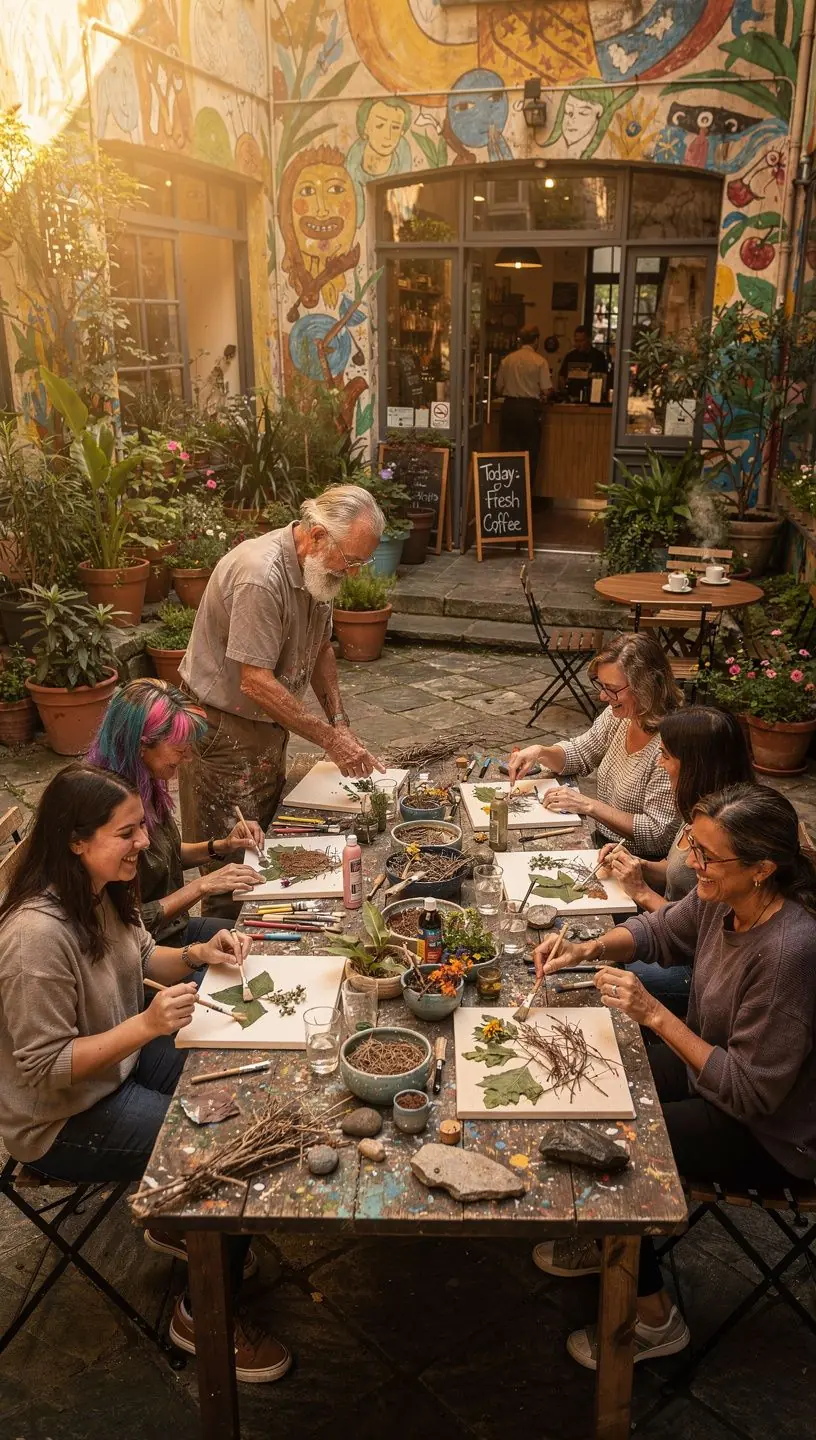
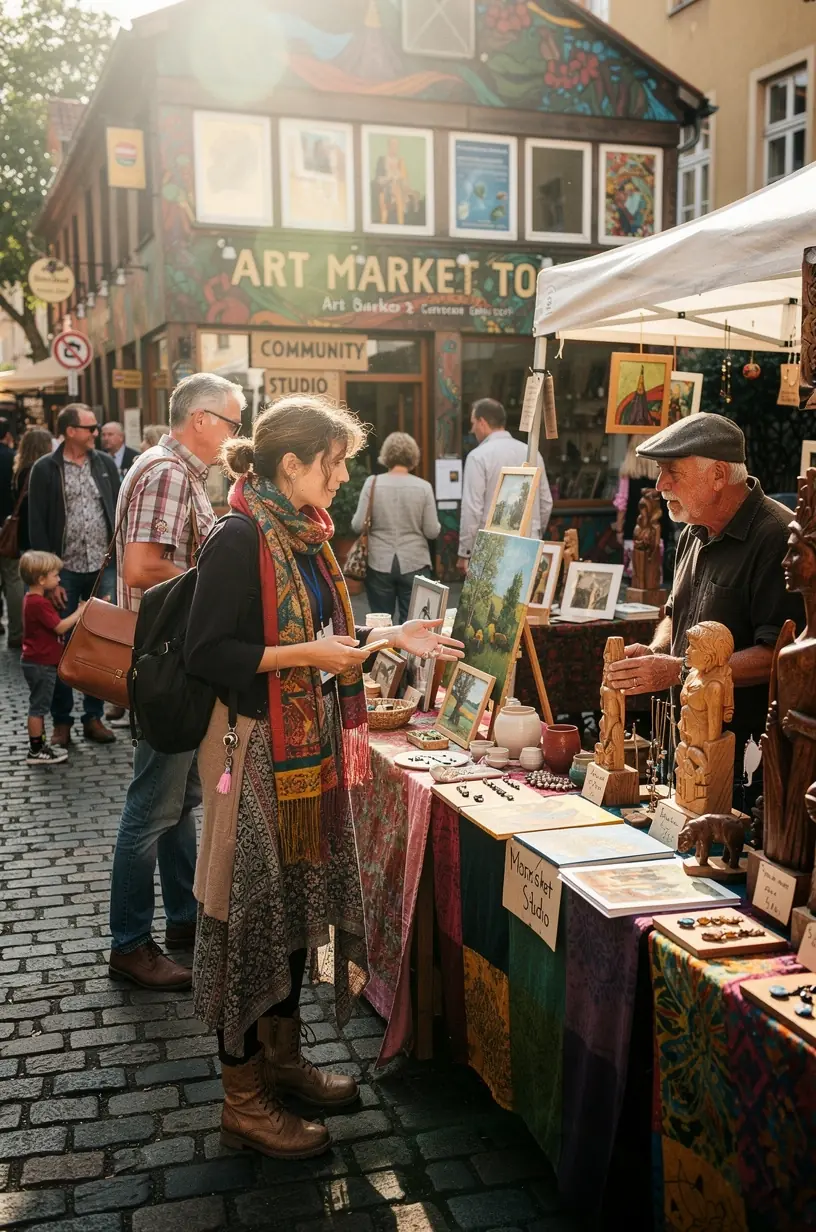
Community hubs often bring together diverse groups of individuals, creating a unique environment for learning and collaboration. Here are some key benefits of incorporating art education in these spaces:
- Enhanced Creativity: Studies show that regular participation in arts education can lead to improved creative thinking. This is essential not only for artistic endeavors but also for problem-solving in everyday life.
- Social Connection: Many users report that engaging in art workshops helps build stronger community ties. This interaction fosters a sense of belonging and can lead to lasting friendships.
- Skill Development: Art education typically involves practice and dedication, which helps participants develop valuable skills such as teamwork, discipline, and time management.
Realistic Expectations for Participation
Engaging in art education within community hubs is not without its challenges. Participants must be prepared for a commitment, as learning new skills typically involves a learning curve. Here are some considerations:
- Time Commitment: In most cases, developing proficiency in a new artistic skill requires consistent practice, often taking several weeks or months to see significant improvement.
- Effort Required: Participants should be aware that success in art education often involves trial and error. It may take time to grow comfortable with new techniques and materials.
- Environment: Art education works best in a supportive community, where feedback is constructive and collaboration is encouraged. Choosing the right hub can enhance the learning experience.
Conclusion
Art education in community hubs has the potential to transform individuals and strengthen community bonds. By fostering creativity and encouraging collaboration, these hubs become valuable resources for personal and collective growth. While it requires dedication and time, the rewards of participating in art education are significant, offering benefits that can positively impact personal and community development.