Creating Effective Partnerships Between Artists and Businesses
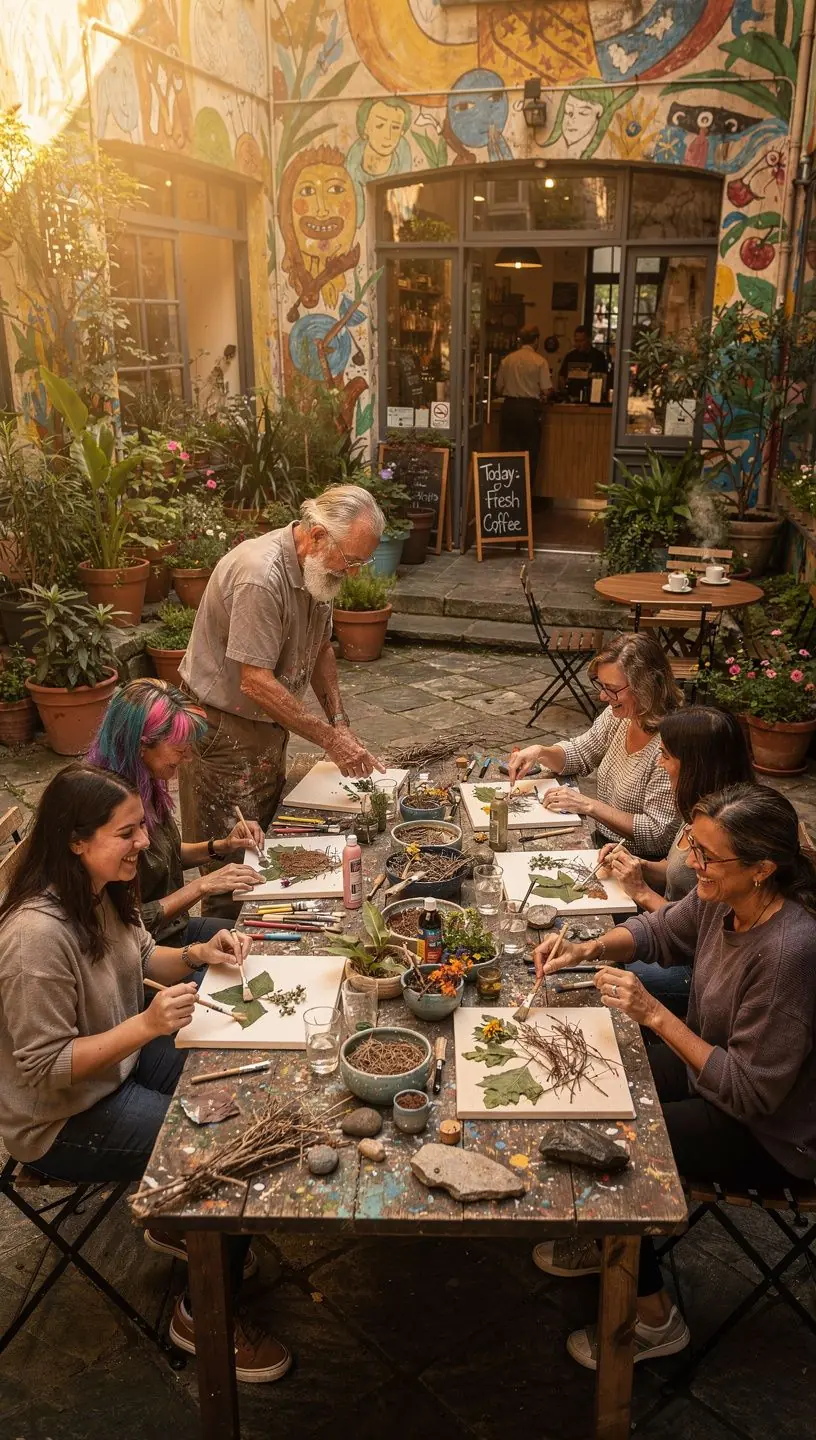
In today's creative landscape, collaboration between artists and businesses is becoming increasingly vital. This article explores how these partnerships can be effectively established, benefitting both parties while fostering community engagement.
Understanding the Value of Partnerships
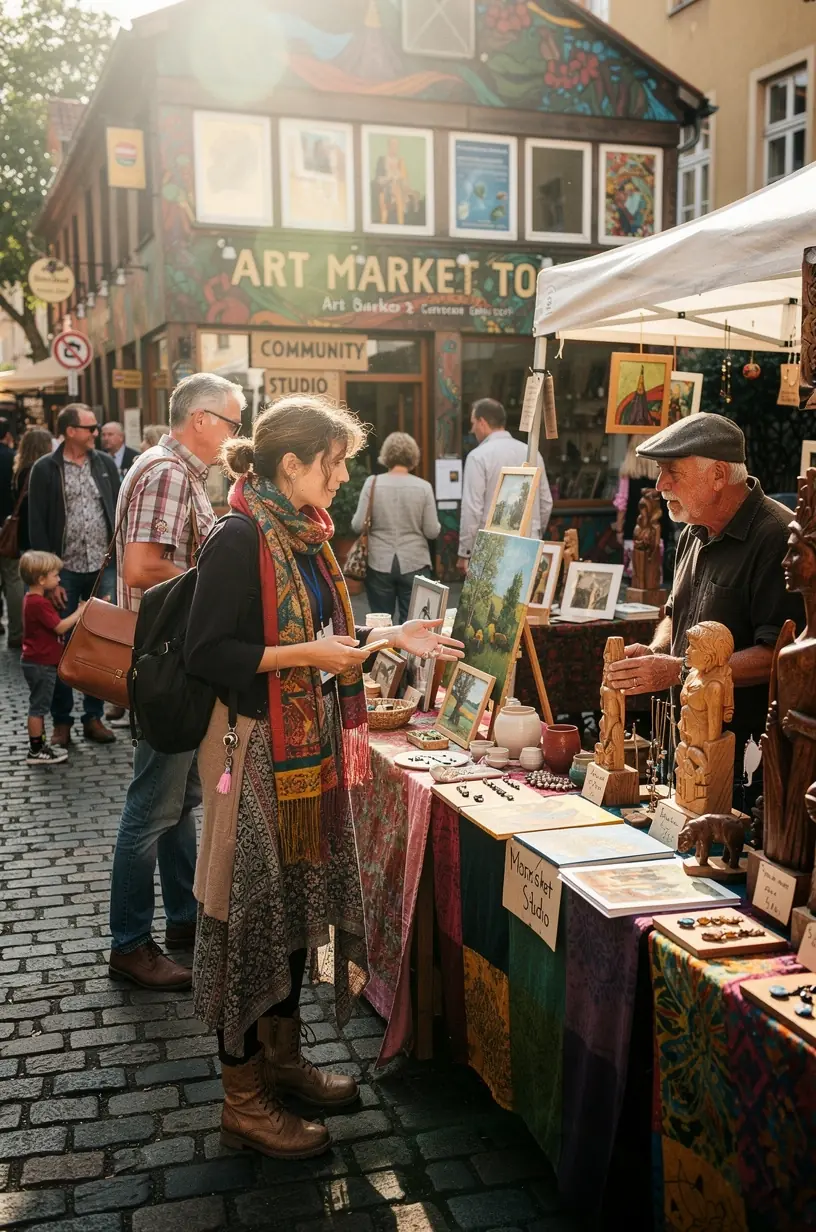
Partnerships between artists and businesses can offer numerous advantages. According to research, these collaborations often lead to enhanced visibility for artists and increased customer engagement for businesses. For artists, the association with a brand can amplify their reach, while businesses can leverage the creativity of artists to enhance their marketing strategies.
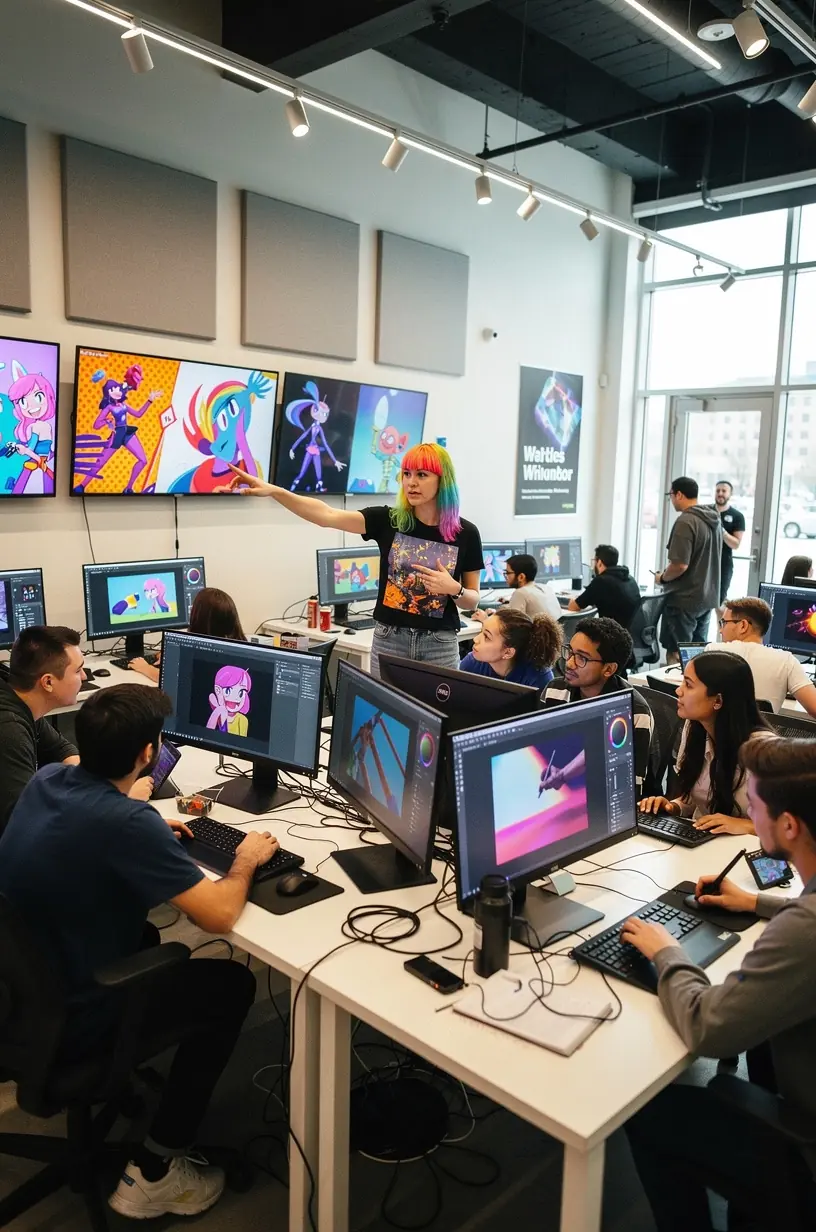
"Collaborative ventures can result in mutually beneficial outcomes, driving innovation and economic growth within communities."
Identifying Potential Partners
Finding the right partners is crucial for any successful collaboration. Here are some steps to consider:
- Align Values: Ensure that the mission and values of both parties align. This creates a foundation of trust and shared goals, which is essential for a lasting partnership.
- Explore Local Businesses: Many local businesses are interested in supporting the arts. Consider approaching those that have a history of community engagement or sponsorship.
- Network Effectively: Attend local art exhibitions, workshops, and community events to network with business owners and other artists. According to industry experts, personal connections can lead to fruitful collaborations.
Developing a Collaborative Framework
Once potential partners are identified, it is crucial to establish a framework for collaboration. Here are some effective strategies:
- Set Clear Objectives: Both parties should outline their goals. This helps in measuring success and ensures that everyone is on the same page.
- Define Roles and Responsibilities: Clarity in roles can prevent misunderstandings. Documenting expectations and responsibilities can keep the project on track.
- Regular Communication: Frequent check-ins can help address issues proactively. This is often recommended by collaboration experts to maintain a healthy partnership.
Acknowledging Challenges
It is important to recognize that not all partnerships will be smooth. Factors such as differing objectives, budget constraints, and communication barriers can pose challenges. Successful partnerships often require:
- Time Commitment: Building a strong relationship typically takes time and may require ongoing adjustments.
- Flexibility: Both parties should be open to adapting their strategies based on feedback and performance outcomes.
- Clear Exit Strategies: Having an exit strategy can help manage expectations and minimize disruptions if a partnership does not work out as planned.
Conclusion
Creating effective partnerships between artists and businesses can be a powerful way to drive creativity and economic growth. By focusing on shared values, clear communication, and mutual benefits, these collaborations can thrive. Remember, while the process may require time and effort, the rewards can significantly enhance the visibility and success of both artists and businesses in the community.