Navigating Legal Aspects of Art Exhibitions
As an artist or curator, understanding the legal aspects of organizing art exhibitions is crucial. This article aims to provide insights into the common legal considerations and best practices to help you navigate this often complex landscape.
Understanding the Basics
Art exhibitions are vibrant platforms for showcasing creativity, but they also come with legal responsibilities. According to industry standards, ensuring compliance with legal requirements can mitigate risks and protect your work. Key considerations typically include copyright laws, contracts, liability issues, and insurance.
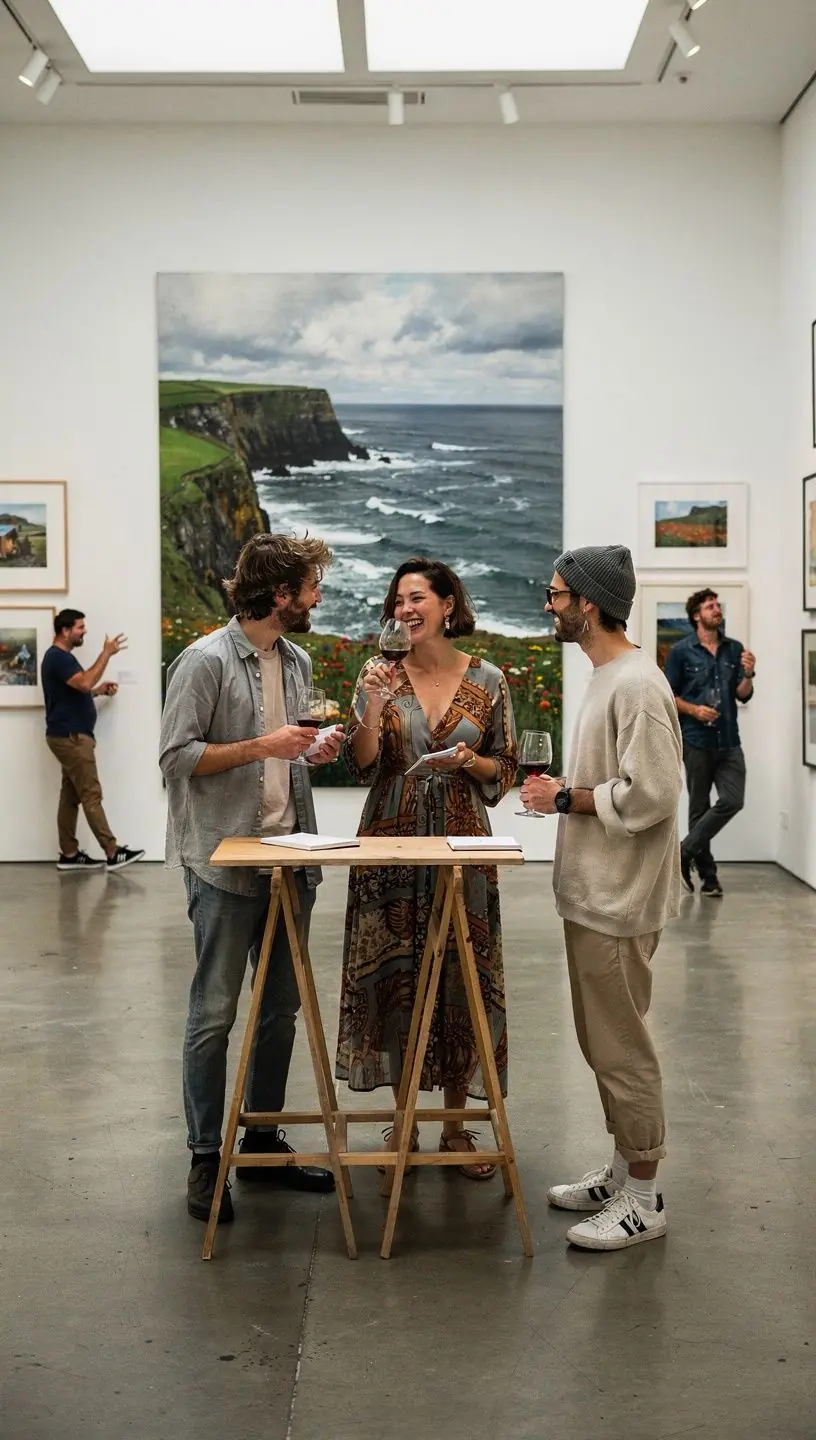
"Understanding the legal framework surrounding art exhibitions is fundamental for both artists and organizers." - Legal Expert
Copyright Considerations
One of the primary legal aspects to consider is copyright. Copyright law protects the original works of authorship, including visual art. According to research by the World Intellectual Property Organization (WIPO), artists often retain copyright over their works, even when displayed in an exhibition. However, agreements regarding the use of art should be clearly defined in contracts.
- Typically, artists grant temporary licenses for the display of their work, which should be documented in writing.
- Many users report that having a clear agreement can prevent misunderstandings and provide clarity on usage rights.
Contracts and Agreements
Contracts serve as the foundation of any successful art exhibition. They outline the responsibilities of all parties involved, including artists, curators, and venue owners. Industry experts recommend including specific details such as:
- Duration of the exhibition and hours of operation.
- Responsibilities for installation and de-installation of artwork.
- Financial arrangements, including commissions and sales agreements.
These elements help ensure that all parties are on the same page and can significantly reduce the likelihood of disputes.
Liability and Insurance
Liability is another critical factor when organizing an exhibition. Accidents can happen, and it’s essential to protect yourself and your artworks. Typically, venues will require proof of insurance to cover any potential damages or injuries. This could involve:
- General liability insurance to cover accidents or injuries during the exhibition.
- Coverage for artworks in transit and during the exhibition period.
Many users suggest consulting with an insurance professional who understands the nuances of art exhibitions to find suitable coverage.
Conclusion
Navigating the legal aspects of art exhibitions can be daunting, but it is essential for fostering a successful creative environment. By understanding copyright laws, drafting clear contracts, and ensuring proper insurance, artists and curators can focus on what they do best—creating and showcasing art. Always remember that these processes typically require thoughtful planning and, in many cases, collaboration with legal professionals to ensure compliance and mitigate risks.
Learn More